
A closer look · Platformer
GRIS
Choose GRIS for a short visual adventure with light platforming and puzzles rather than difficult combat. Light platforming keeps the interaction approachable while colour and movement carry an emotionally serious story.
Game facts
- Developer
- Nomada Studio
- Publisher
- Devolver Digital
- Released
- 13 December 2018
- Platforms
- Windows · macOS (Steam edition)
- Model
- Paid game
- PEGI
- 7 — Nintendo Switch edition; not a separate PC classification
- Players
- Single-player
- Length
- Short
- Difficulty
- 2 / 5 · Approachable
- Steam Deck
- Verified
PEGI source ↗ · Steam Deck status source ↗
Edition: Base game
The score, explained
The interest and responsiveness of the core decisions and actions.
How progression, exploration and goals fit together.
The coherence of the visual, musical and narrative presentation.
How clearly the game explains its rules and offers useful ways to engage.
The depth of optional goals, alternative approaches and reasons to return.
Abilities change the way the world is read
GRIS follows a young woman through a world shaped by a painful experience, using movement and new abilities to reveal further paths. The game places light puzzles and platforming inside a design without conventional danger or death. That makes the core proposition different from the demanding action adventures elsewhere in this catalogue. The player is invited to notice and move through a changing space rather than repeatedly prove combat mastery. Our assessment values that clarity of purpose, while keeping the recommendation specific. Readers who need extensive mechanical resistance may find the activity understated. Those who want movement to support a visual and emotional journey have a more direct reason to choose it.
A finite journey with a deliberate pace
The world becomes more accessible as abilities develop, connecting progress to changes in how Gris can move and interact. Optional skill challenges exist alongside the main route, but the premise remains a concentrated authored journey rather than an open-ended progression system. We rate the structure for keeping that distinction clear. It gives the presentation room to change without surrounding every moment with a list of unrelated tasks. A player who wants branching story decisions or a large equipment collection should not assume those are part of the attraction. GRIS is better approached as a work that develops a small set of ideas across a designed sequence, with exploration serving the whole rather than becoming an endless goal in itself.
Colour and movement carry the expression
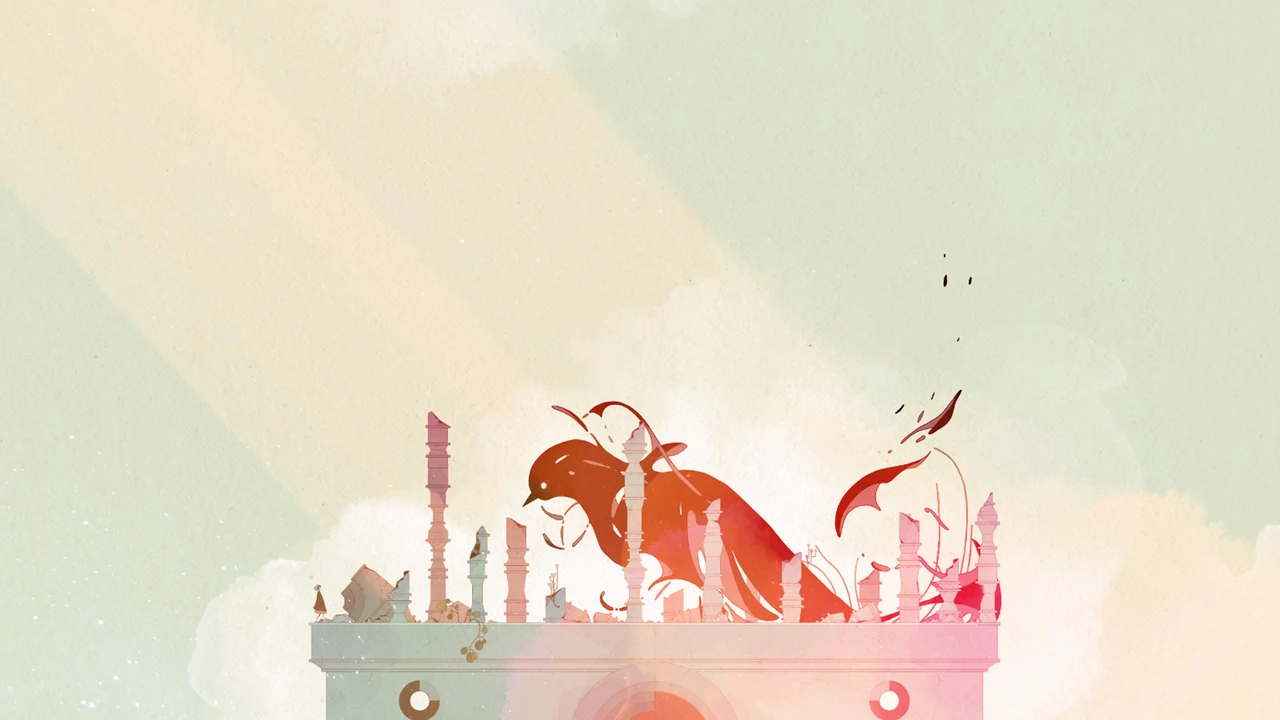
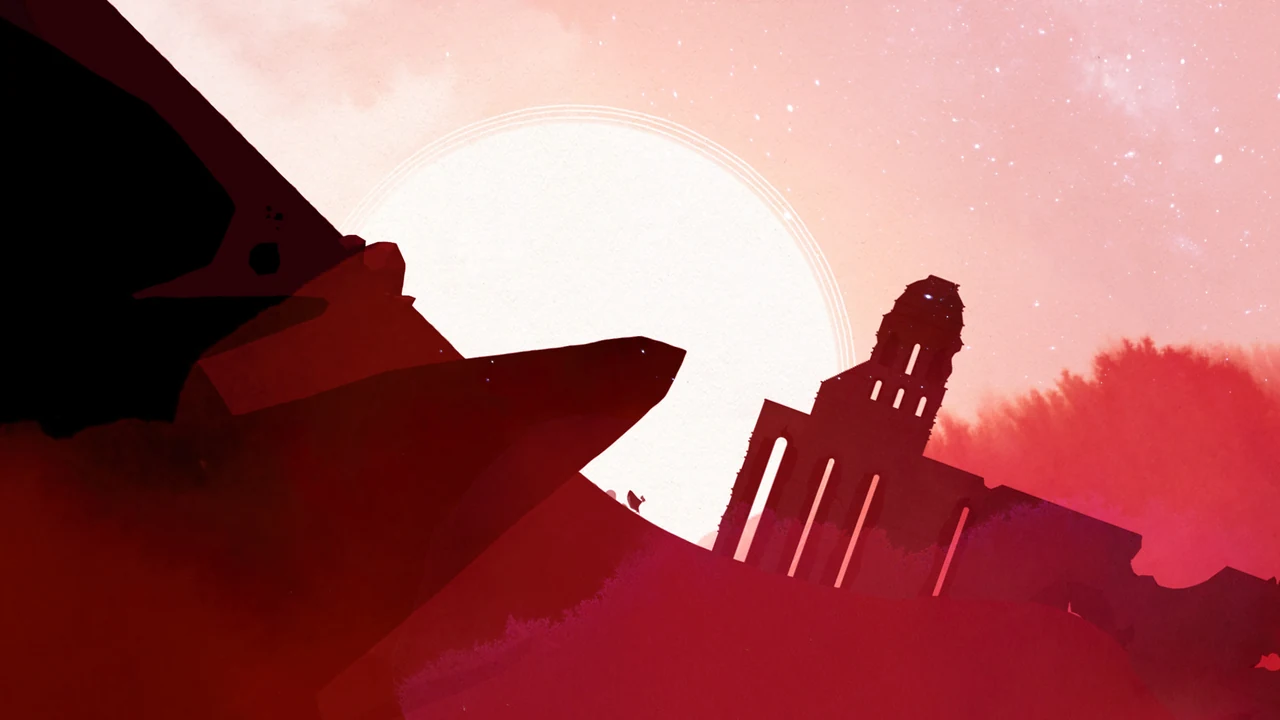
GRIS connects delicate illustration, animated forms and changing colour to the journey through its world. With very little text, those choices have more work to do than simply decorate a dialogue-led story: they establish mood, mark change and help distinguish the places being explored. The lighter platforming and puzzle demands leave room to notice those transitions. That balance gives the adventure a clear identity without requiring a complicated combat system. Its emotional subject remains significant, even when the interaction feels gentle. Choose it for an expressive visual journey with a modest mechanical footprint, and consider the themes of sorrow alongside the attraction of the artwork. As colour returns, the dress's changing abilities alter how Gris moves through the landscape.
Choose an expressive journey
GRIS is most appealing when a game's visual development can be a substantial part of the reward. Returning may offer another chance to notice how an environment or animation fits the wider journey, but it will not recreate every first discovery. Our reasons-to-return score is therefore more restrained than the presentation score. That is an appropriate distinction for an authored work rather than a criticism of its finite form. Neva provides a useful comparison from the same development team, with a more explicit action-and-companion premise. Choose GRIS if the quieter interaction model is central to the appeal. It offers a different kind of engagement from combat mastery, extensive build planning or a competitive challenge ladder. Light platforming keeps the interaction approachable while colour and movement carry an emotionally serious story.
The verdict
Choose GRIS for a short visual adventure with light platforming and puzzles rather than difficult combat. Light platforming keeps the interaction approachable while colour and movement carry an emotionally serious story.
Reasons to play
- Strong visual identity and changing environments
- A compact main adventure
- Light puzzles keep attention on the presentation
Reasons to think twice
- Limited depth for players seeking demanding systems
- Less replay variety than run-based games
- Narrative presentation is deliberately indirect
See the game
Assist & accessibility
Explore the available settings and control options on the official game page before choosing your setup.
Parents’ guide
Players: Single-player. No in-game purchase marker in the checked Steam listing. Separate downloadable content may be sold.
Age classification: 7. Nintendo Switch edition; not a separate PC classification
A useful starting tip
When a new ability appears, look again at the shape and movement of the environment before searching for an explicit instruction.
A different direction
Compare this with Chicory: A Colorful Tale: A creative adventure where colouring changes both the landscape and your relationship with it.
Official sources
Reviewed: November 2026
You might also like
 DorfromantikRead review →
 Chicory: A Colorful TaleRead review →
 Mini MetroRead review →