A closer look · Strategy
Dorfromantik
Choose Dorfromantik for tile-placement planning that combines landscape building with scoring objectives. Tile matching adds a scoring challenge, so this is more structured than the free-building options alongside it.
Game facts
- Developer
- Toukana Interactive
- Publisher
- Toukana Interactive
- Released
- 28 April 2022
- Platforms
- Windows · macOS (Steam edition)
- Model
- Paid game
- PEGI
- 3 — Nintendo Switch edition; not a separate PC classification
- Players
- Single-player
- Length
- Medium
- Difficulty
- 2 / 5 · Approachable
- Steam Deck
- Verified
PEGI source ↗ · Steam Deck status source ↗
Edition: Base game
The score, explained
The interest and responsiveness of the core decisions and actions.
How progression, exploration and goals fit together.
The coherence of the visual, musical and narrative presentation.
How clearly the game explains its rules and offers useful ways to engage.
The depth of optional goals, alternative approaches and reasons to return.
A landscape made from decisions
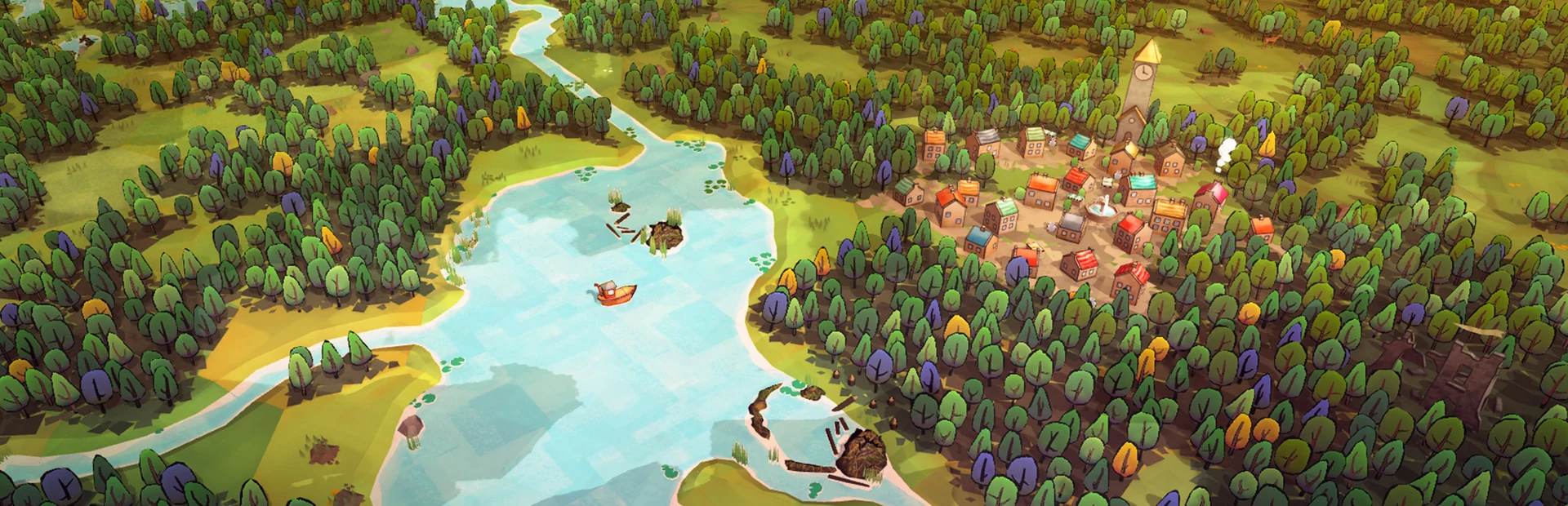
Dorfromantik asks the player to place landscape tiles so that villages, forests, water and other features fit together. The resulting scene is attractive, but the arrangement also serves a planning puzzle. The game connects successful placements and objectives to points and additional tiles, giving the landscape a practical structure. The strongest element is that double role. A tile is both a piece of the picture and a decision about what can happen next. Readers who want completely unrestricted decoration may find the constraints intrusive. Those who enjoy making something coherent while working with a limited next option have a stronger reason to choose it over a conventional free-form building toy.
The next tile keeps the plan open
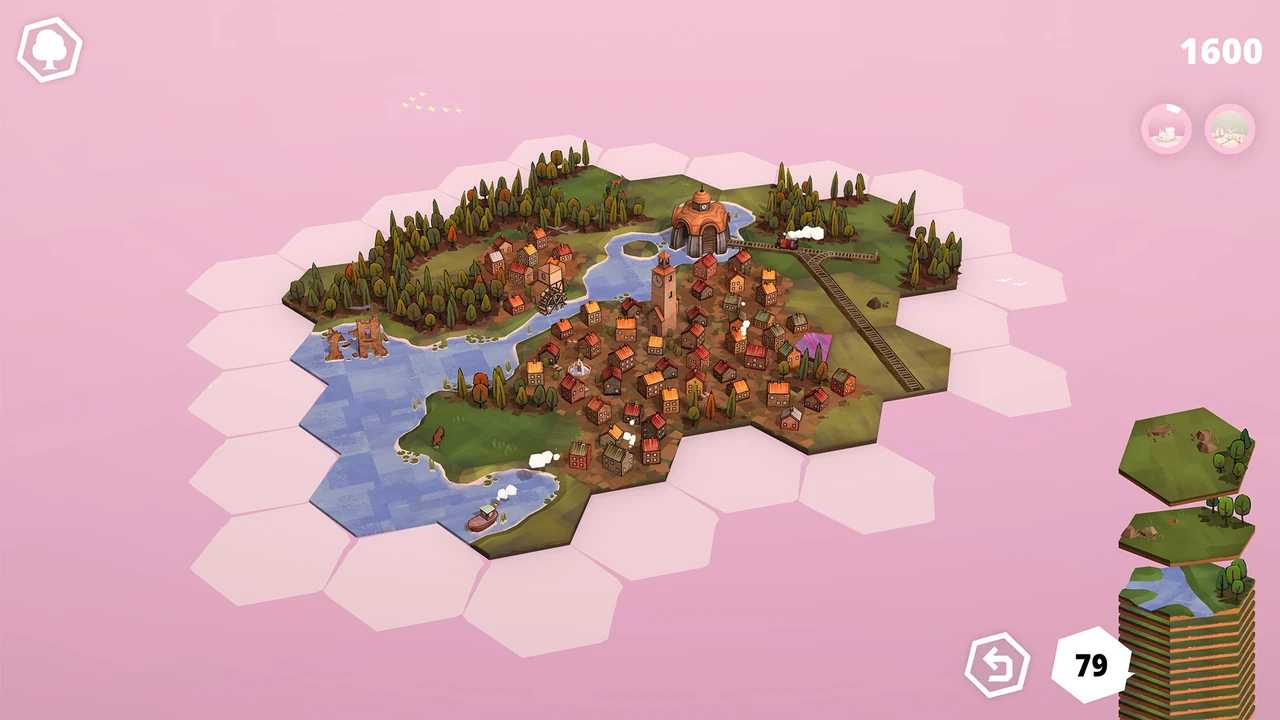
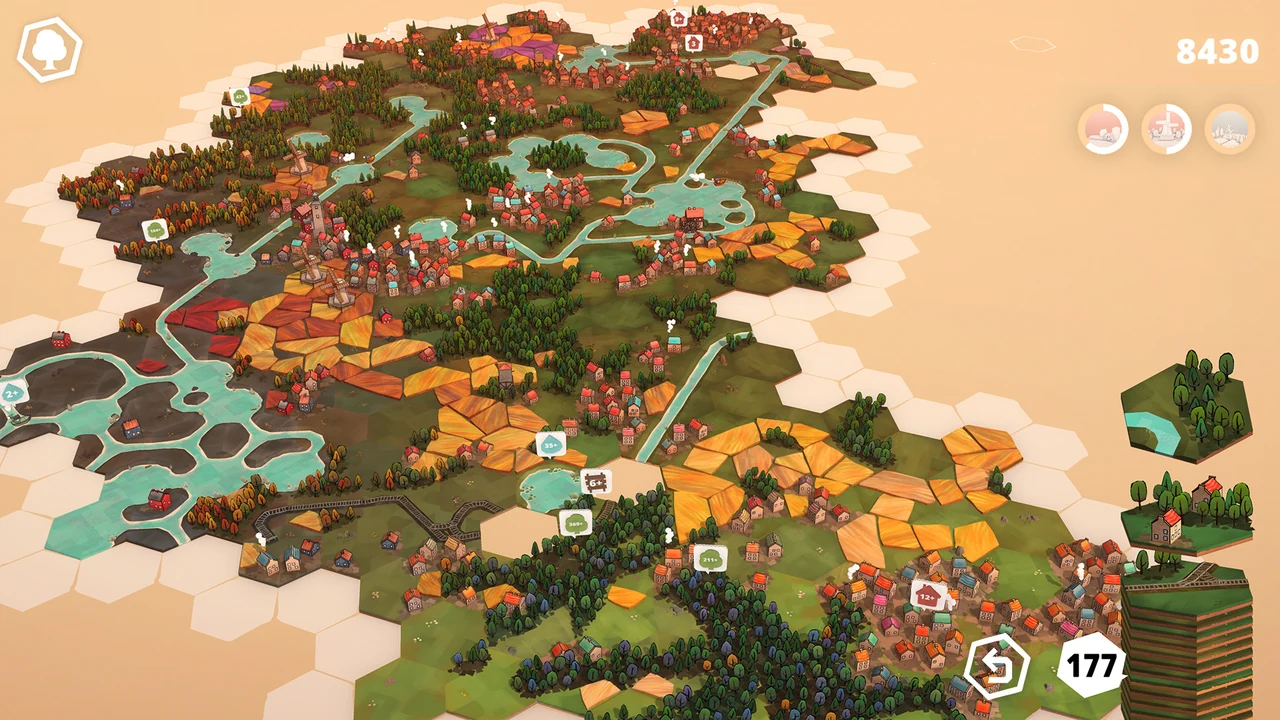
A changing tile supply means the player cannot fully determine the final landscape in advance. Objectives encourage particular groupings, while completing them supports further expansion. We rate the structure highly because local placement and longer-term planning remain connected throughout a session. A tidy immediate fit may create awkward edges for later, giving the player a reason to look beyond the present score. The game is not a detailed simulation of village life or a story campaign with a fixed narrative conclusion. That distinction helps set useful expectations. Its progress is expressed through a developing board and a better understanding of how to keep possibilities open, rather than through managing individual inhabitants.
The board is worth looking at
The illustrated landscape gives Dorfromantik a softer identity than a purely numerical placement puzzle. Fields, houses and woodland create a visible result that can be appreciated even while the player considers objectives. We rate the presentation for supporting both sides of the design rather than making them compete. The calm appearance does not remove the strategic consequences of a placement, and a reader should not assume that every mode is simply free decoration. This assessment is based on the design description and imagery. The appeal depends on liking both the scenery and the puzzle beneath it. Matching forests, railway tracks and waterways gives placement a clear visual logic. The tile supply creates pressure in the main mode, while creative building offers a different stopping point for anyone more interested in arranging a landscape than extending a score.
Choose a puzzle that leaves a place behind
Dorfromantik is well suited to repeat sessions because changing tile arrangements produce new planning questions within a stable set of rules. The pleasure is often in applying a familiar lesson more effectively. Tiny Glade provides a useful alternative if the finished miniature scene is the attraction but the placement constraints are not. Choose Dorfromantik when you want your landscape to record a sequence of decisions as well as look appealing. It offers a clear middle ground between a construction toy and a strategic puzzle, with neither individual villagers nor a large production economy to supervise. Matching forests, railway tracks and waterways gives placement a clear visual logic. Tile matching adds a scoring challenge, so this is more structured than the free-building options alongside it.
The verdict
Choose Dorfromantik for tile-placement planning that combines landscape building with scoring objectives. Tile matching adds a scoring challenge, so this is more structured than the free-building options alongside it.
Reasons to play
- Tile placement makes planning visible
- Objectives add structure to landscape building
- Repeatable arrangements support ongoing play
Reasons to think twice
- No conventional story ending
- Some goals require careful placement rather than free decoration
- Players looking for detailed simulation may find it too focused
See the game
Assist & accessibility
Explore the available settings and control options on the official game page before choosing your setup.
Parents’ guide
Players: Single-player. No in-game purchase marker in the checked Steam listing. Separate downloadable content may be sold.
Age classification: 3. Nintendo Switch edition; not a separate PC classification
A useful starting tip
Consider the open edges you will leave behind before placing a tile that completes the most obvious immediate objective.
A different direction
Compare this with Tiny Glade: Choose Tiny Glade for free-form building and detailed miniature scenes without combat or management pressure. This is our creative-building pick because it removes resource pressure while keeping the act of construction expressive.
Official sources
Reviewed: November 2026
You might also like
 Chicory: A Colorful TaleRead review →
 Mini MetroRead review →
 TOEM: A Photo AdventureRead review →