A closer look · Narrative
Pentiment
A richly situated historical investigation where people and consequences matter more than a clean case file.
Game facts
- Developer
- Obsidian Entertainment
- Publisher
- Xbox Game Studios
- Released
- 14 November 2022
- Platforms
- Windows (Steam edition)
- Model
- Paid game
- PEGI
- 16 · Bad Language — Steam UK listing
- Players
- Single-player
- Length
- Medium
- Difficulty
- 2 / 5 · Approachable
- Steam Deck
- Verified
PEGI source ↗ · Steam Deck status source ↗
Edition: Base game
The score, explained
The interest and responsiveness of the core decisions and actions.
How progression, exploration and goals fit together.
The coherence of the visual, musical and narrative presentation.
How clearly the game explains its rules and offers useful ways to engage.
The depth of optional goals, alternative approaches and reasons to return.
Investigate people, not just evidence
Pentiment follows the artist Andreas Maler through murders and disputes in a sixteenth-century Bavarian community. The premise emphasises conversation, character development and decisions whose consequences extend well beyond the immediate investigation. That makes it a different proposition from a detective game that simply asks the player to assemble the correct list of clues. Your understanding of people and their circumstances matters alongside the event being examined. The strongest element is that social context. It also sets a clear audience requirement: reading and interpretation are central activities. Someone who mainly wants action or quick, self-contained logic problems may not enjoy the attention that Pentiment asks them to give its conversations and changing relationships.
Consequences have time to develop
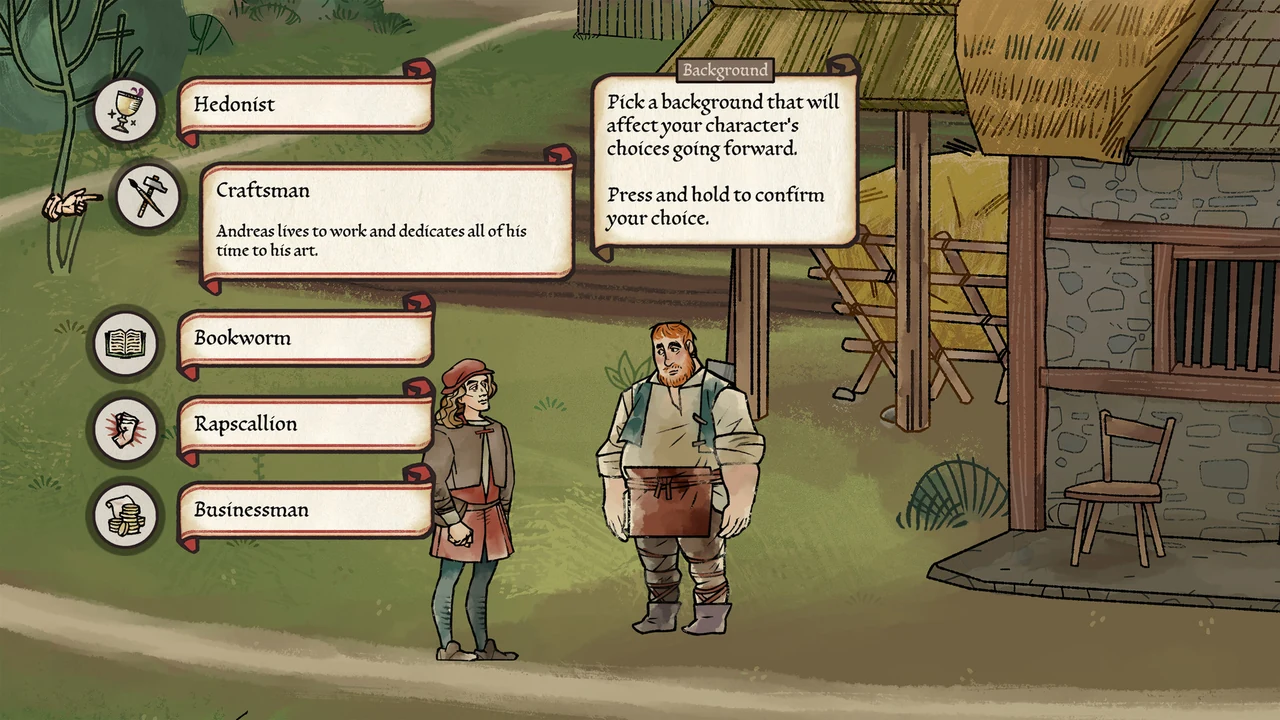
The story spans a substantial period in the community's life, letting decisions affect more than the next line of dialogue. Andreas's academic and social background can shape his perspective, while investigations force choices about which people and explanations to trust. We rate the structure highly because the historical setting and long view make those choices meaningful in concept. The player is not only solving an isolated incident, but influencing a place that will continue to change. This also means uncertainty should not automatically be treated as a failure of play. Readers who want to verify a perfect route before committing may find that expectation at odds with an adventure built around incomplete understanding and consequences that belong to the story.
Illustration is part of the historical argument
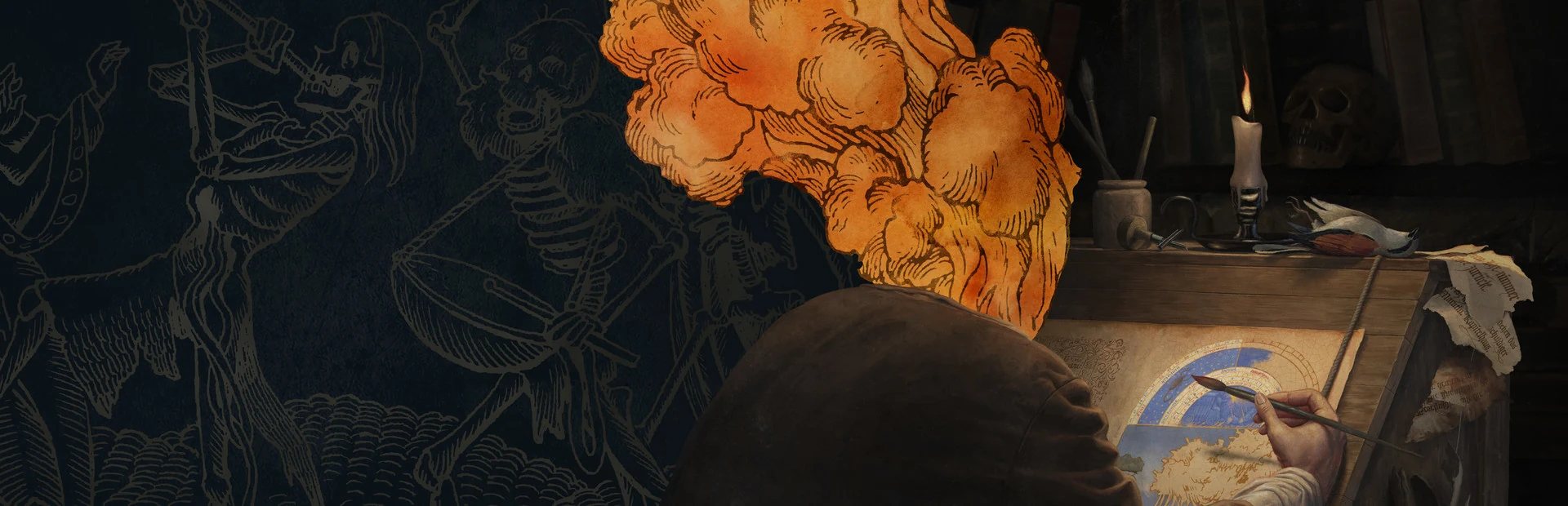
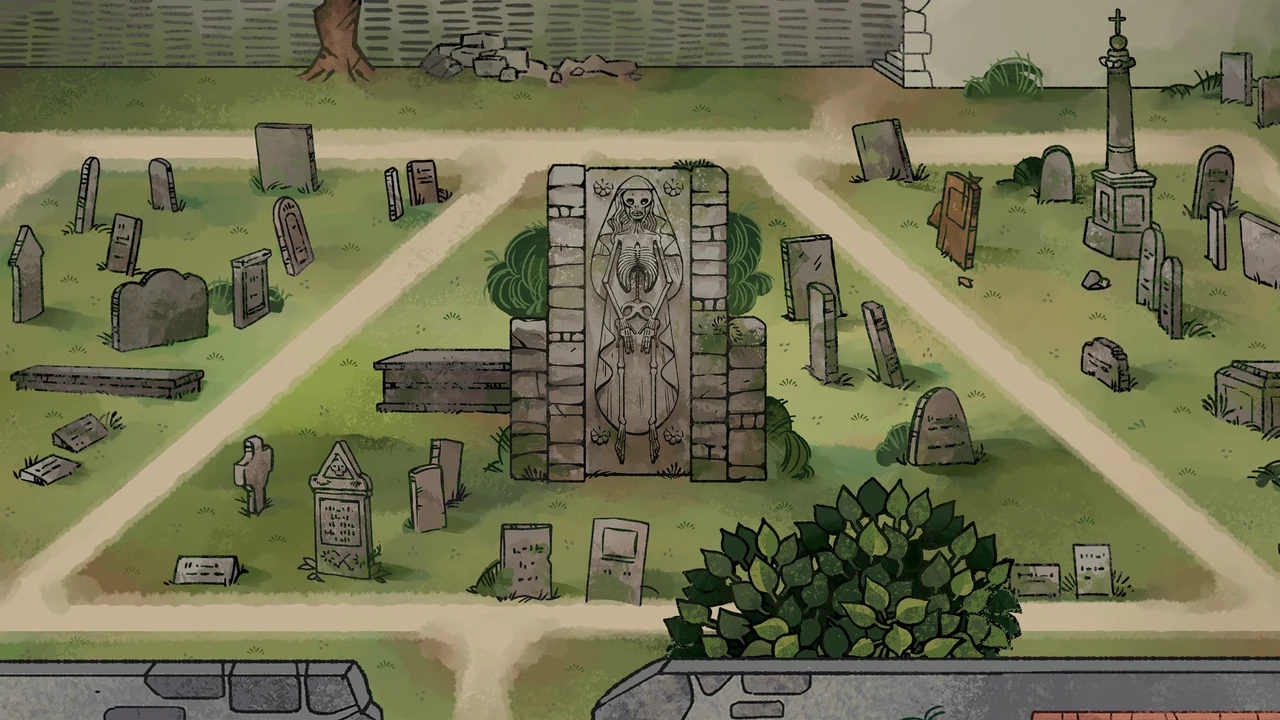
Pentiment's visual style draws on illuminated manuscripts and early printed books, giving its people and places a form related to the period being explored. That is a stronger connection than simply applying an antique-looking palette to a familiar interface. It makes reading, interpretation and the production of images feel naturally related to the artist protagonist. The presentation succeeds through that coherence. Clothing, lettering and the spaces in which people work help distinguish social positions, making the community's hierarchy visible before a conversation explains the tension within it. The useful question is how its style supports the investigation and community, not whether an attractive page should be accepted as documentary evidence. Tassing and Kiersau Abbey give the investigation a tightly connected social setting.
For readers comfortable making a judgement
Pentiment is an especially strong fit if you enjoy thinking about why a person says something and what a decision might mean years later. A return visit can explore another background or a different line of judgement, supporting a higher replay assessment than many linear narrative adventures. That does not remove the value of accepting a first set of choices without constant comparison to a guide. Chants of Sennaar provides an alternative for readers who like interpretation but prefer language and environmental puzzles over extended historical conversations. Choose Pentiment when the community itself is the mystery you want to understand. Its appeal lies in making a considered judgement within a changing world, not only in reaching the end of a case. This archive review remains useful when comparing Pentiment's narrative structure with the current selection. Investigative decisions affect a community over time.
The verdict
A richly situated historical investigation where people and consequences matter more than a clean case file.
Reasons to play
- Investigative decisions affect a community over time
- Character backgrounds change the perspective brought to conversations
- The illustrated style supports the historical setting
Reasons to think twice
- Substantial reading is central to the experience
- Uncertainty and lasting consequences may frustrate completionists
See the game
Assist & accessibility
Explore the available settings and control options on the official game page before choosing your setup.
Parents’ guide
Players: Single-player. No in-game purchase marker in the checked Steam listing. Separate downloadable content may be sold.
Age classification: 16. Bad Language Steam UK listing
A useful starting tip
Choose the lead that best fits your current reasoning instead of assuming every possible conversation must be exhausted first.
A different direction
Compare this with Dorfromantik: Choose Dorfromantik for tile-placement planning that combines landscape building with scoring objectives. Tile matching adds a scoring challenge, so this is more structured than the free-building options alongside it.
Official sources
Reviewed: November 2026
You might also like
 DorfromantikRead review →
 Chicory: A Colorful TaleRead review →
 Mini MetroRead review →