A closer look · Climbing puzzle
Jusant
A tactile climbing adventure that makes route selection the main event.
Game facts
- Developer
- DON'T NOD
- Publisher
- DON'T NOD
- Released
- 31 October 2023
- Platforms
- Windows (Steam edition)
- Model
- Paid game
- PEGI
- 3 — Xbox UK edition edition; not a separate PC classification
- Players
- Single-player
- Length
- Short
- Difficulty
- 3 / 5 · Approachable
- Steam Deck
- Verified
PEGI source ↗ · Steam Deck status source ↗
Edition: Base game
The score, explained
The interest and responsiveness of the core decisions and actions.
How progression, exploration and goals fit together.
The coherence of the visual, musical and narrative presentation.
How clearly the game explains its rules and offers useful ways to engage.
The depth of optional goals, alternative approaches and reasons to return.
Climbing becomes the puzzle
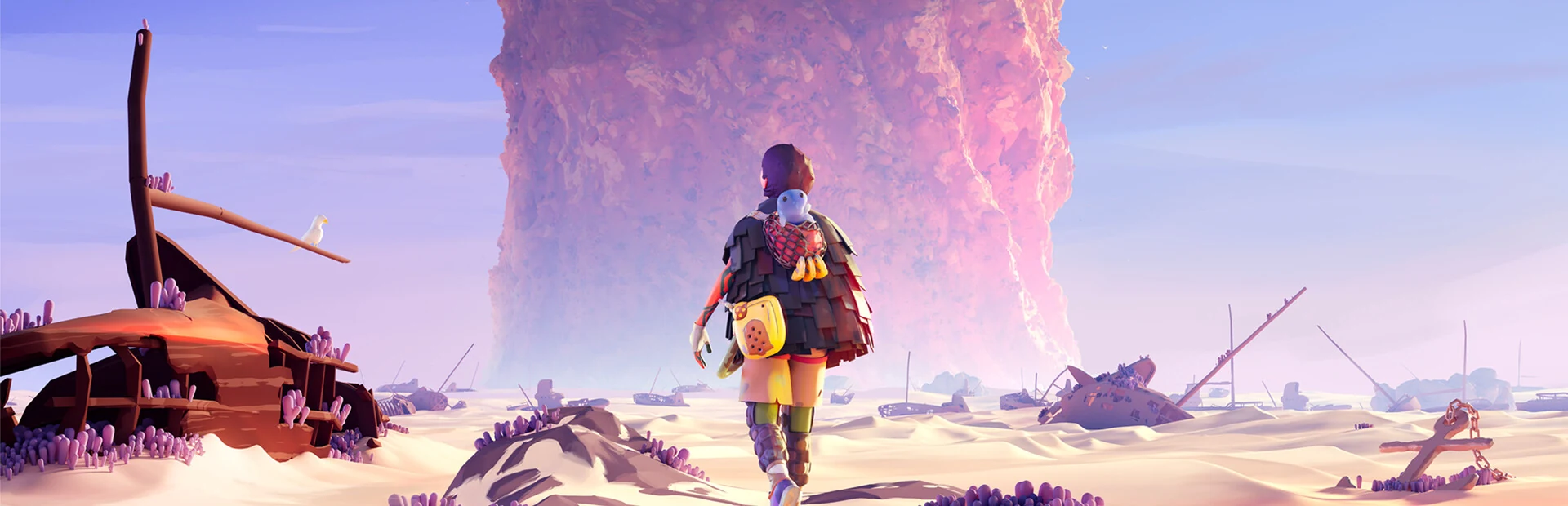
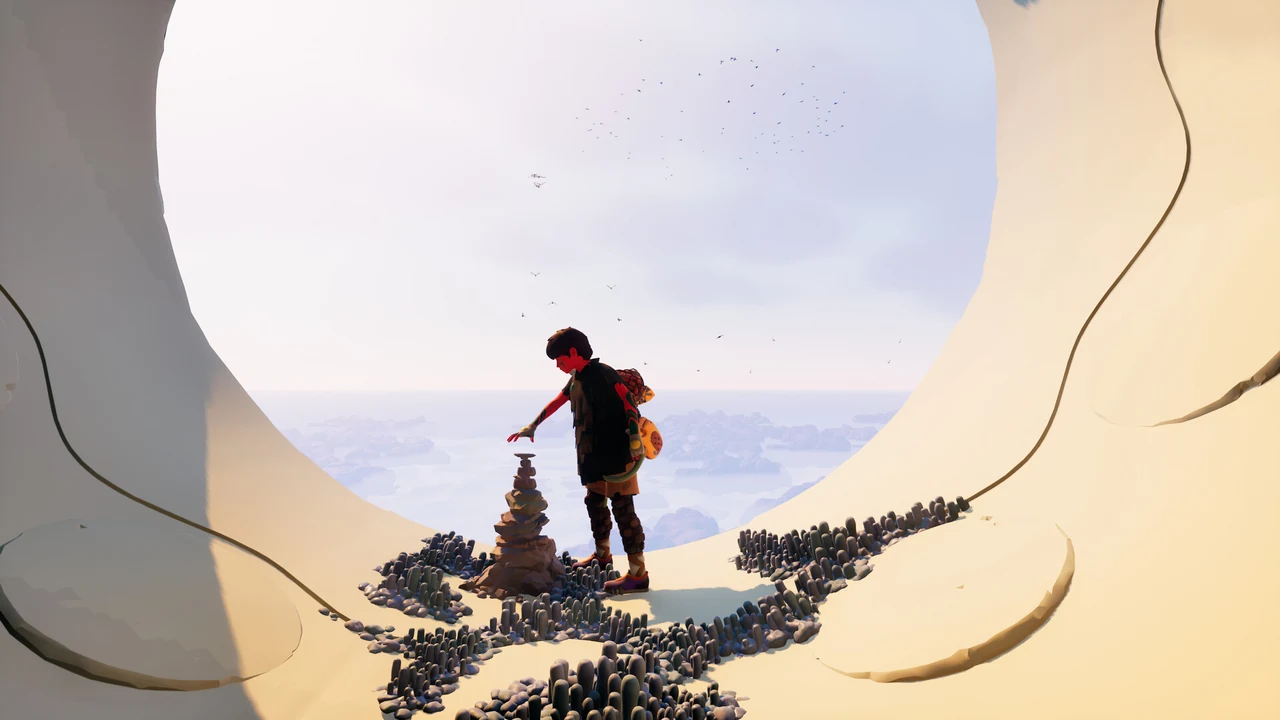
Jusant places the work of finding and completing a route at the centre of its adventure. The player uses climbing tools and watches a stamina meter while ascending a vast tower, making traversal something to plan rather than a button held between story scenes. The game encourages exploring different paths and learning how the available tools fit the environment. The strongest element is that concentrated mechanical idea. It gives a ledge or a change in surface immediate significance without needing an enemy to guard it. The specialisation is also a limit: if repeated climbing does not sound enjoyable, the scenery alone is unlikely to transform the premise into a completely different sort of game.
A clear goal with smaller detours
The tower supplies a destination that is easy to understand, while alternative routes and clues encourage attention beyond the most direct ascent. That is a useful middle ground between a rigid corridor and a large map full of unrelated tasks. The watery companion, Ballast, helps interact with nature and reveal information about the place's past. We rate the structure positively because exploration and the central movement system remain close together. The player is learning about the same tower they are physically negotiating. Someone who prefers a broad range of activities may nevertheless find the focus narrow. Jusant is better chosen for the prospect of becoming more thoughtful about one kind of movement than for a promise of constant mechanical replacement.
Height gives the environment meaning
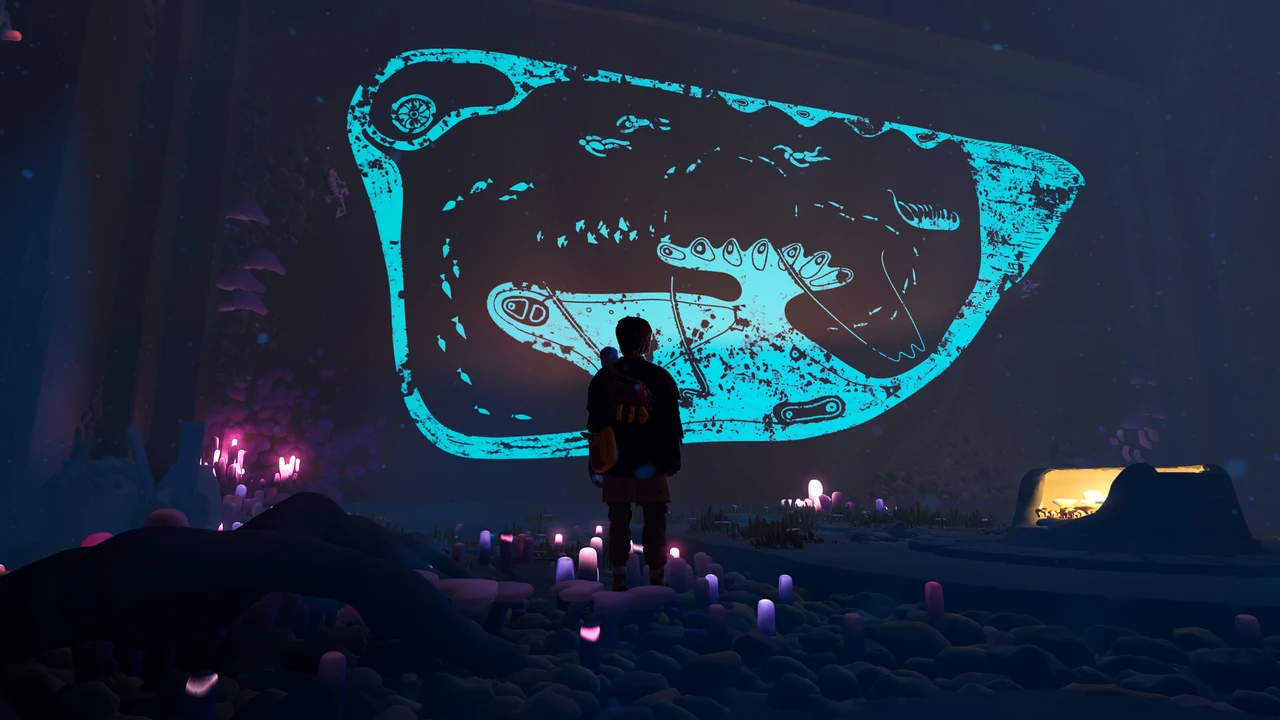
The game presents a tower with changing biomes, from exposed slopes to luminous interior spaces. These are not simply different backgrounds: weather, vegetation and the shape of the structure help establish what kind of climb lies ahead. Our high presentation assessment reflects how closely the visual setting supports the route-finding premise. The sense of height may be attractive to some readers and uncomfortable for others, so it is worth considering independently of the game's quiet tone. Choosing an anchor and planning the next handhold can create tension even when the surrounding landscape remains quiet. The recommendation concerns an adventure that invites concentration and observation, while the exact response to its heights, movement and atmosphere remains a personal matter.
Choose a focused ascent
Jusant makes the strongest case for someone who wants a single physical activity to carry an adventure. Learning to read a wall, use the tools and notice alternative routes is the central reward. Returning may uncover clues or paths missed earlier, but the authored ascent offers a different form of longevity from a competitive ranking or endlessly rearranged level system. Our return score reflects that distinction. Sable is the better comparison if you want climbing and discovery inside a wider landscape with more freedom over the next destination. Choose Jusant when the clear goal of going upward is reassuring rather than restrictive, and when the way you reach the next ledge sounds as interesting as whatever waits at the top. This archive review remains useful when comparing Jusant's climbing puzzle structure with the current selection. Climbing tools make traversal the central puzzle.
The verdict
A tactile climbing adventure that makes route selection the main event.
Reasons to play
- Climbing tools make traversal the central puzzle
- A clear upward goal supports exploration of side paths
- Changing biomes keep the tower visually distinctive
Reasons to think twice
- The core activity is deliberately specialised
- Players uncomfortable with heights may not enjoy the premise
See the game
Assist & accessibility
Explore the available settings and control options on the official game page before choosing your setup.
Parents’ guide
Players: Single-player. No in-game purchase marker in the checked Steam listing. Separate downloadable content may be sold.
Age classification: 3. Xbox UK edition edition; not a separate PC classification
A useful starting tip
Look for a workable sequence of holds and resting opportunities before committing to the next stretch of climbing.
A different direction
Compare this with Sable: An open exploration game for players who prefer self-directed discovery to urgent objectives. The absence of combat leaves discovery in charge, although choosing your own route remains part of the task.
Official sources
Reviewed: November 2026
You might also like
 DorfromantikRead review →
 Chicory: A Colorful TaleRead review →
 Mini MetroRead review →